Are Fine-Line Tattoos Harder to Heal? Healing Tips & Aftercare
Fine line tattoos are known for their thin, detailed lines and patterns, often used in designs such as geometric shapes, florals or custom art tattoos. Done with a single needle, these tattoos require a skilled and experienced tattoo artist as they demand precision and attention to detail. The tattooing process for fine line work uses less ink than traditional tattoos so less intense in terms of pigment but more intricate in design.
But with the rise of this tattoo style, many are wondering are fine line tattoo harder to heal than traditional tattoos. Let’s dive into the healing process, aftercare and the factors that play a role in the healing time for fine-line tattoos.
Healing Process of Tattoos

The healing process of any tattoo is dependent on several factors, the type of tattoo, the artist, the skin type and how well aftercare is followed. The tattoo process involves piercing the skin multiple times with needles to inject ink, causing trauma to the skin. As the body heals the skin must repair itself, push out the tattoo ink and form new layers of skin.
Generally, tattoos take 2-4 weeks to heal with some scabbing, peeling and flaking. However fine line tattoos can sometimes present unique challenges during healing due to the delicate and intricate nature of the design.
Are They Harder to Heal?

Short answer: No, fine-line tattoos aren’t necessarily harder to heal but they do require extra attention and proper aftercare. Let’s break down a few key factors that affect the healing of fine-line tattoos.
1. Less Ink and More Precision
Fine-line tattoos, especially those done with a single needle, have less ink than traditional tattoos. This can make it heal faster for some people as there’s less ink to push out. But because of the fine lines, they can be more prone to fading, blurring or premature pigment loss if not taken care of properly.
2. Delicate Lines and Risk of Blurring
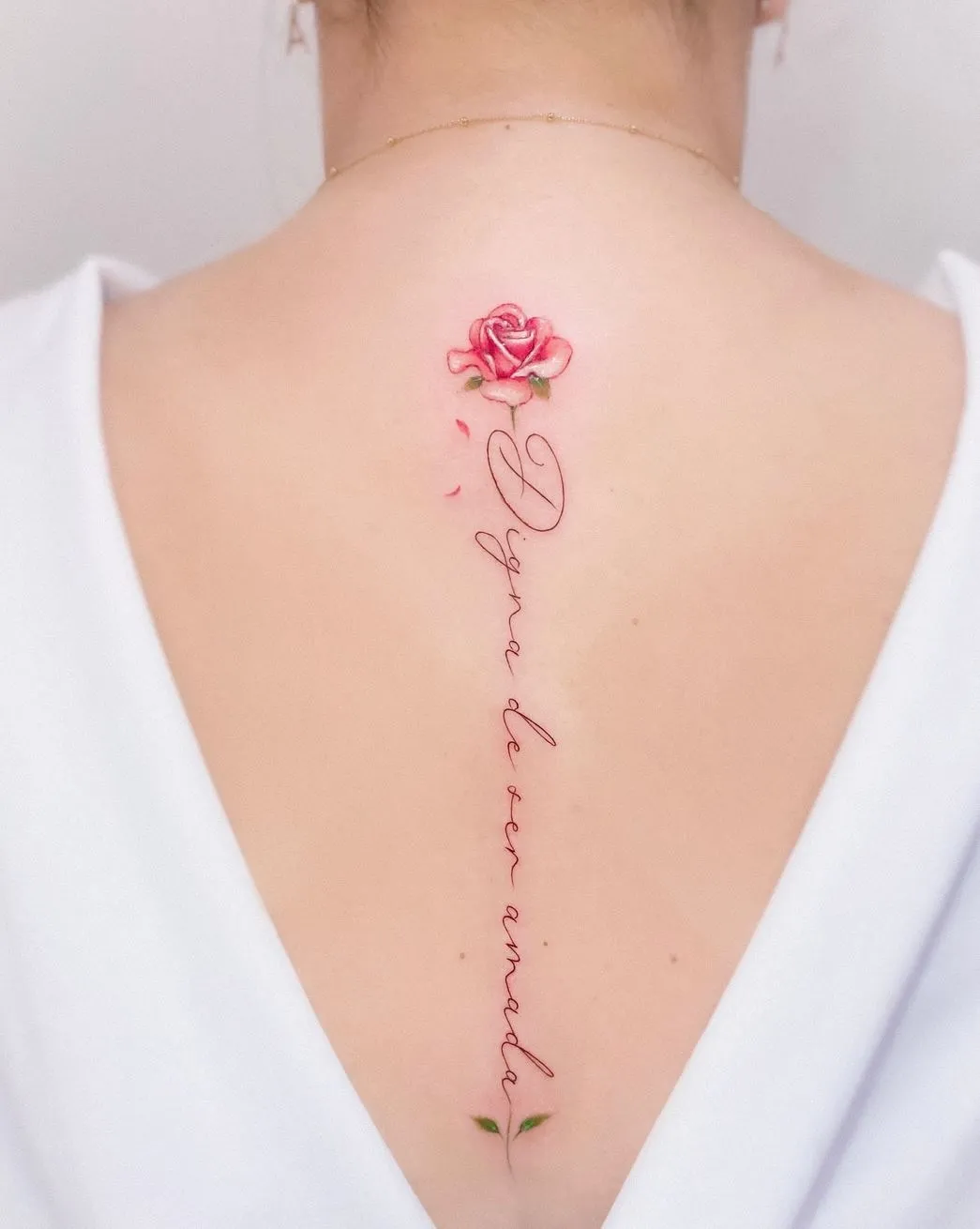
Because of the thin lines and details, fine-line tattoos require more care to prevent fading or smudging. If the skin scabs too much, is exposed to too much moisture or friction, the lines can lose their sharpness. This is a concern for people with delicate tattoos to be mindful of during the healing process.
3. Proper Aftercare is Crucial
Aftercare is important for any tattoo to heal properly but it’s even more critical for fine-line tattoos. Tattoo artists recommend using a gentle, unscented soap to clean the tattoo and keep it dry with clean paper towels. Avoid harsh soaps, direct streams of water or body water (like swimming pools) that can disrupt the healing process.
Apply a thin layer of antibiotic ointment (like petroleum jelly or a balm tattoo aftercare product) for the first 24-48 hours is also highly recommended. Apply it sparingly so you don’t suffocate the tattoo and let it breathe.
4. Healing Time and Tattoo Blowouts
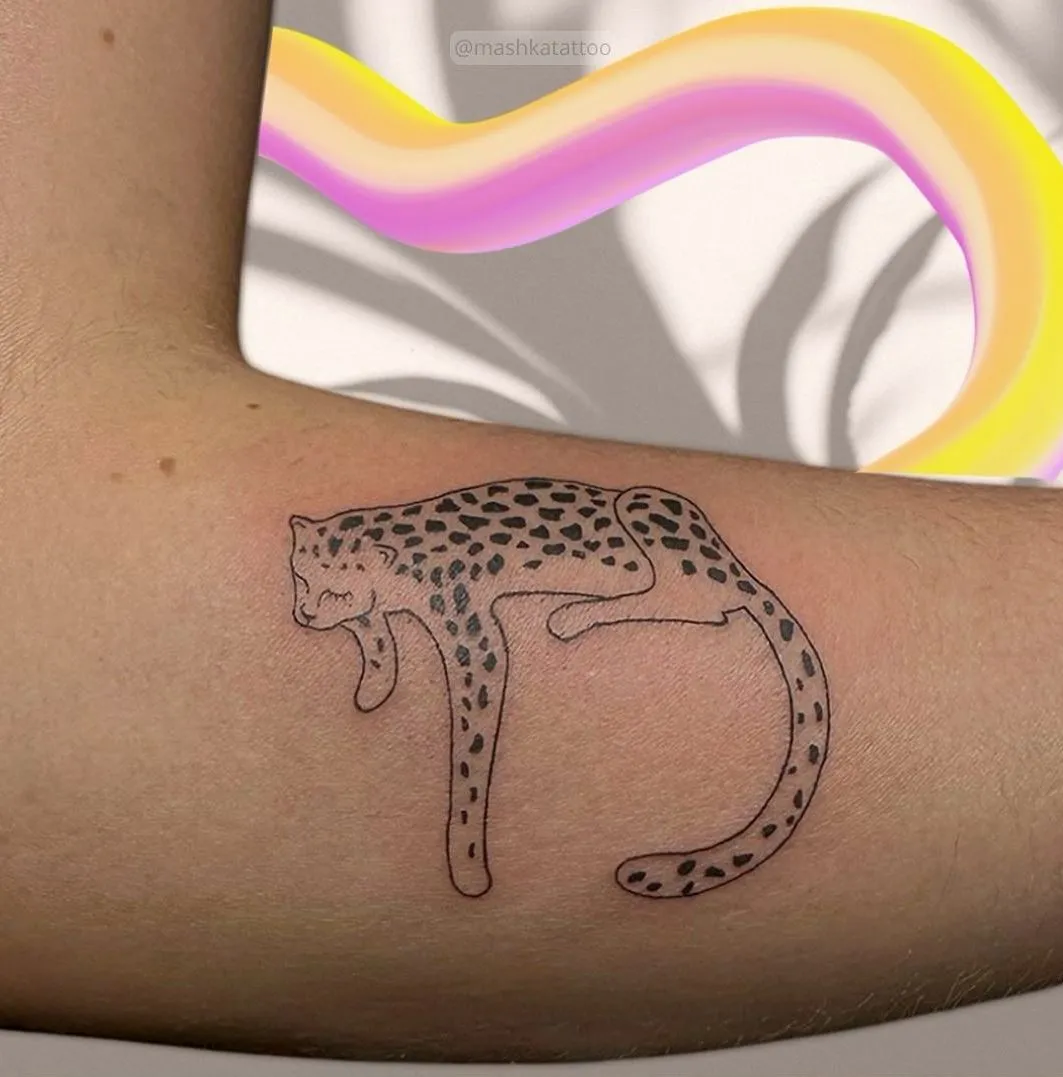
Fine-line tattoos can heal in as little as 2-4 weeks, but this can vary depending on your skin type, the design of the tattoo, and aftercare. More intricate or larger tattoos can take longer to heal – up to 2-6 months. Some people may get tattoo blowouts if the tattoo artist presses too hard or your skin is super sensitive, which can cause premature fading.
5. Tattoo Location and Lifestyle
Where the tattoo is on your body can also affect how well it heals. Fine-line tattoos on popular areas like the hands, neck or feet may face extra challenges due to the constant movement in these areas. Active people who do physical activities or those with more body movement may need to take extra care to not irritate the healing tattoo.
6. The Importance of a Skilled Tattoo Artist
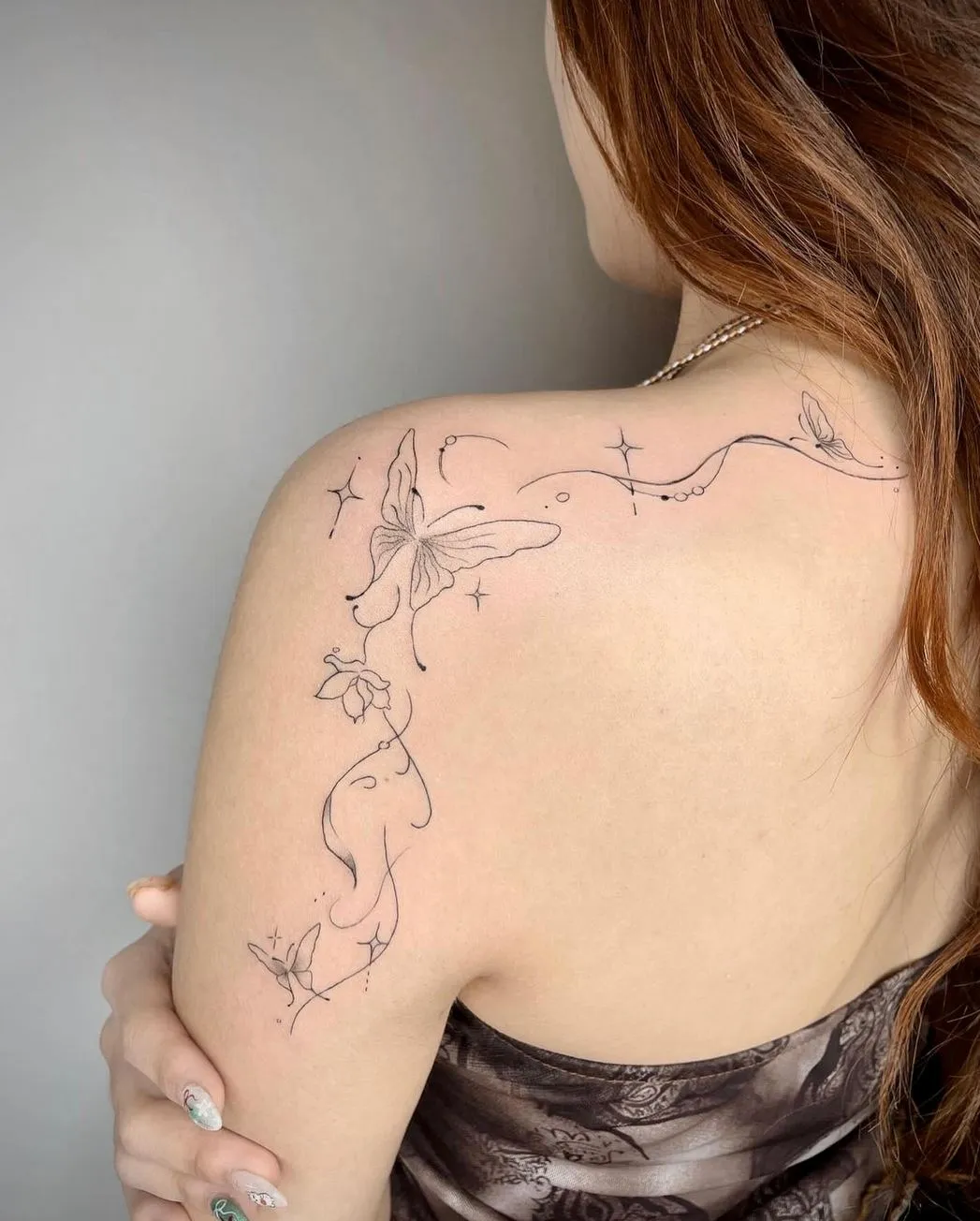
Choosing a skilled tattoo artist is one of the most important steps in ensuring your fine-line tattoo heals well. A skilled tattoo artist knows the tattooing process and how to handle delicate designs for the best results. They can also give you advice on the best aftercare routine and personalized tips on how to keep your tattoo looking great.
What to Watch Out For
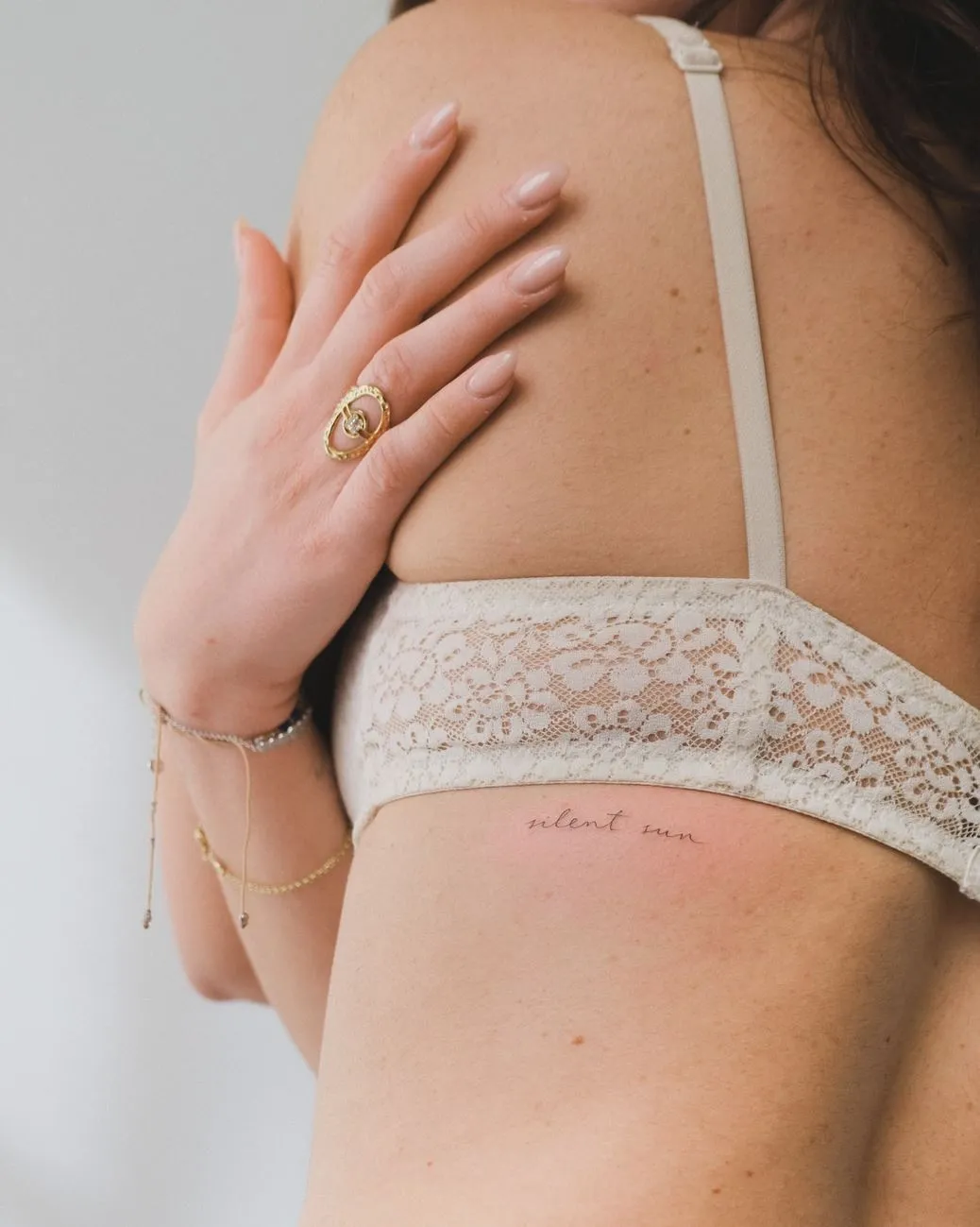
While fine-line tattoos aren’t super risky to your health, there are still risks involved. Infection is always a possibility if the tattoo isn’t cleaned properly or exposed to unsanitary conditions. The healing tattoo must be protected from bacteria and tattoo studios should maintain high standards of cleanliness to minimize the risk of infection.
Sometimes tattoos can cause an allergic reaction to the tattoo ink, but this is rare. Using quality tattoo ink, such as hypoallergenic and non-toxic pigments, can minimize these risks.
Conclusion
In short, fine-line tattoos aren’t harder to heal than traditional tattoos but they do require more care and attention during the healing process. The delicate nature of fine-line tattoos makes them more prone to fading and blurring if not cared for properly. Follow aftercare instructions, avoid excessive moisture and choose a skilled and experienced tattoo artist and your fine-line tattoo will heal beautifully.
Whether you’re getting a dainty design or a larger piece, proper care and attention to detail will mean your tattoo will be a work of art for years to come. With the right aftercare, your tattoo will keep its intricate details and delicate nature and be a timeless addition to your collection.
FAQ
Are fine-line tattoos more painful than traditional tattoos?
Fine-line tattoos aren’t more painful than traditional tattoos but the experience can vary depending on the location of the tattoo and an individual’s pain tolerance. Since fine-line tattoos are done with a single needle they may cause less trauma to the skin than traditional, bolder tattoos which could result in a slightly more comfortable experience.
How long does it take for a fine-line tattoo to heal?
The healing time for fine-line tattoos is 2-4 weeks depending on the size, location and skin type. However, more intricate or larger tattoos may take 2-6 months to fully heal.
Can I go swimming with a fresh fine-line tattoo?
No, you shouldn’t swim with a fresh fine-line tattoo, exposing the tattoo to water can cause infection and interfere with the healing process. Whether it’s a pool, ocean or hot tub it’s best to keep the tattoo dry for the first few weeks to allow the skin to heal without any complications.
How can I prevent fading or blurring in my fine-line tattoo?
To prevent fading or blurring in your fine-line tattoo follow a strict aftercare routine. This means cleaning the tattoo with an unscented soap, keeping it dry with clean paper towels and applying a thin layer of antibiotic ointment.
Should I use plastic wrap on my fine-line tattoo during the healing process?
Some tattoo artists may recommend using plastic wrap or a bandage for the first few hours after getting your fine-line tattoo to protect it from dirt and bacteria but you should avoid keeping it wrapped for an extended period.